Even thinking about binge releases depresses me.
Am I really one of the only people who gets more out of a television show when I can discuss it with others? When there is time to wonder what might happen next, reconsider a character’s motives, notice something I missed, and hear an interpretation that never occurred to me?
I know I’m not. Yet streaming services continue releasing shows as though the only purpose of television is to finish it.


This is another rant-adjacent piece about binge-dropped streaming releases because it makes me genuinely sad to see good shows arrive one minute and get canceled the next.
I do not believe every canceled series would have become a phenomenon with a weekly release, but I am convinced some of them would have had a much better chance if viewers had been allowed to gather around them.
From the editorial side, I can see the difference. A weekly show builds an audience over time. Readers debate, search for answers, discover interviews, share theories, and return for reviews. New viewers hear the conversation and decide to catch up before the next episode.
A binge release creates a frantic weekend followed by silence.
The show may technically remain available, but availability is not the same as visibility. It is certainly not the same as cultural life.

The more I look at the shows being dumped all at once, the more I notice how many of them are genre series.
Horror, science fiction, YA, action, mysteries, and thrillers are built for theories, debate, and obsessive fandom. Yet streamers keep releasing them in the format least likely to sustain any of that.
My first bone to pick is with Peacock, which has released a distressing number of scripted shows that deserved far more discussion than they received. Many lasted one season before disappearing with about as little fanfare as accompanied their arrival.
I understand why acquired shows are often released all at once. Peacock’s The Capture was very enjoyable in its first season, mildly interesting in its second, and almost rendered obsolete by the real world in its third.

I would have loved to discuss that first season in detail, but acquired programming rarely receives the same promotional push as an original series.
Its continued existence probably depended less on Peacock‘s faith in it than on the convenience of licensing something already made.
Original programming is another matter.
The Copenhagen Test was an action thriller built for weekly conversation. It had twists, betrayals, uncertain loyalties, and questions that could have kept viewers guessing between episodes.
Instead, it arrived as a binge release, and most of the possibilities for sustained discussion vanished the moment viewers began finishing the season at different speeds.

Ponies had an excellent cast, a lively period setting, spies, complicated friendships, and women redefining their lives. It had all the markings of a show that could grow through conversation.
Instead, it appeared to be shelved before it even reached Peacock in one large drop, as though everyone involved had already accepted that the audience would arrive, consume it, and move on.
Next comes Crystal Lake, Peacock’s Friday the 13th prequel.
The franchise has inspired 12 films, decades of repeat viewing, and endless debate over mythology, timelines, killers, victims, masks, motives, and increasingly inventive ways to perish near a body of water.
Yet all eight Crystal Lake episodes will drop on October 15.


By Halloween, the conversation could already be over.
How does that make sense? People have watched those movies repeatedly for decades.
Friday the 13th fans do not simply watch. They inspect. They compare. They argue. They freeze-frame. They assign meaning to details that may not contain any meaning whatsoever, because that is what fandom does when properly nourished.
A weekly Crystal Lake release could dominate the entire Halloween season. Instead, Peacock will dump eight episodes into the middle of October and apparently hope everyone watches them at precisely the same pace.
Meanwhile, The Traitors can unfold weekly.


Reality television gets time to inspire recaps, memes, speculation, and social media conversation, while scripted shows requiring months of writing, production, design, performance, and post-production are treated like bags of Halloween candy tossed onto the porch.
Thank goodness The Rockford Files moved from Peacock to NBC.
A new version of that series should unfold slowly. People who watched the original will have opinions. People discovering it for the first time will have questions.
The show will benefit from generations of viewers talking to one another rather than racing separately toward the finale.
My next beef is with Prime Video, whose release strategy sometimes seems to be determined by pulling slips of paper from an elaborately branded hat.


The Summer I Turned Pretty released its first season as a binge.
Its next two seasons rolled out weekly, and the show grew into a genuine cultural event. Viewers debated relationships, defended characters, chose sides, changed sides, and spent entire weeks preparing to resume hostilities.
Prime Video has evidence that weekly releases can help a series grow. It has seen the results firsthand.
That is why I assumed We Were Liars would arrive weekly. It was based on a popular novel, structured around mysteries, and designed to generate questions.
Instead, the season dropped at once. It was renewed, which is wonderful, but the conversation still dried up quickly because the entire experience was over almost as soon as it began.
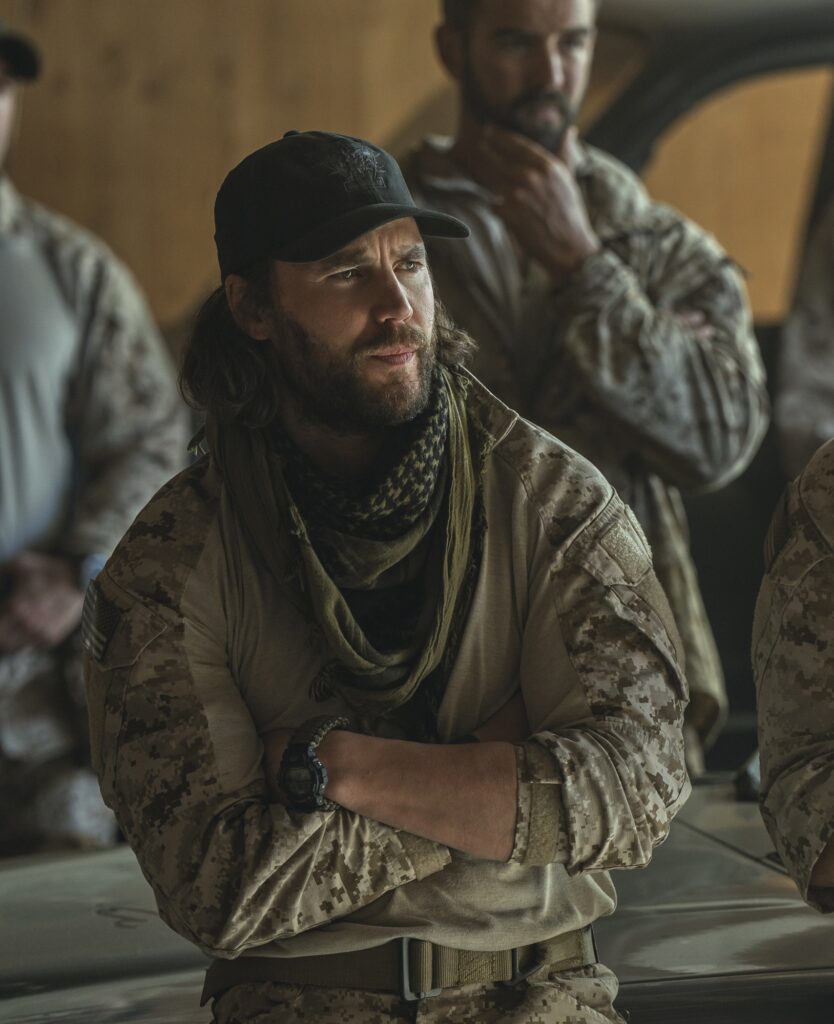
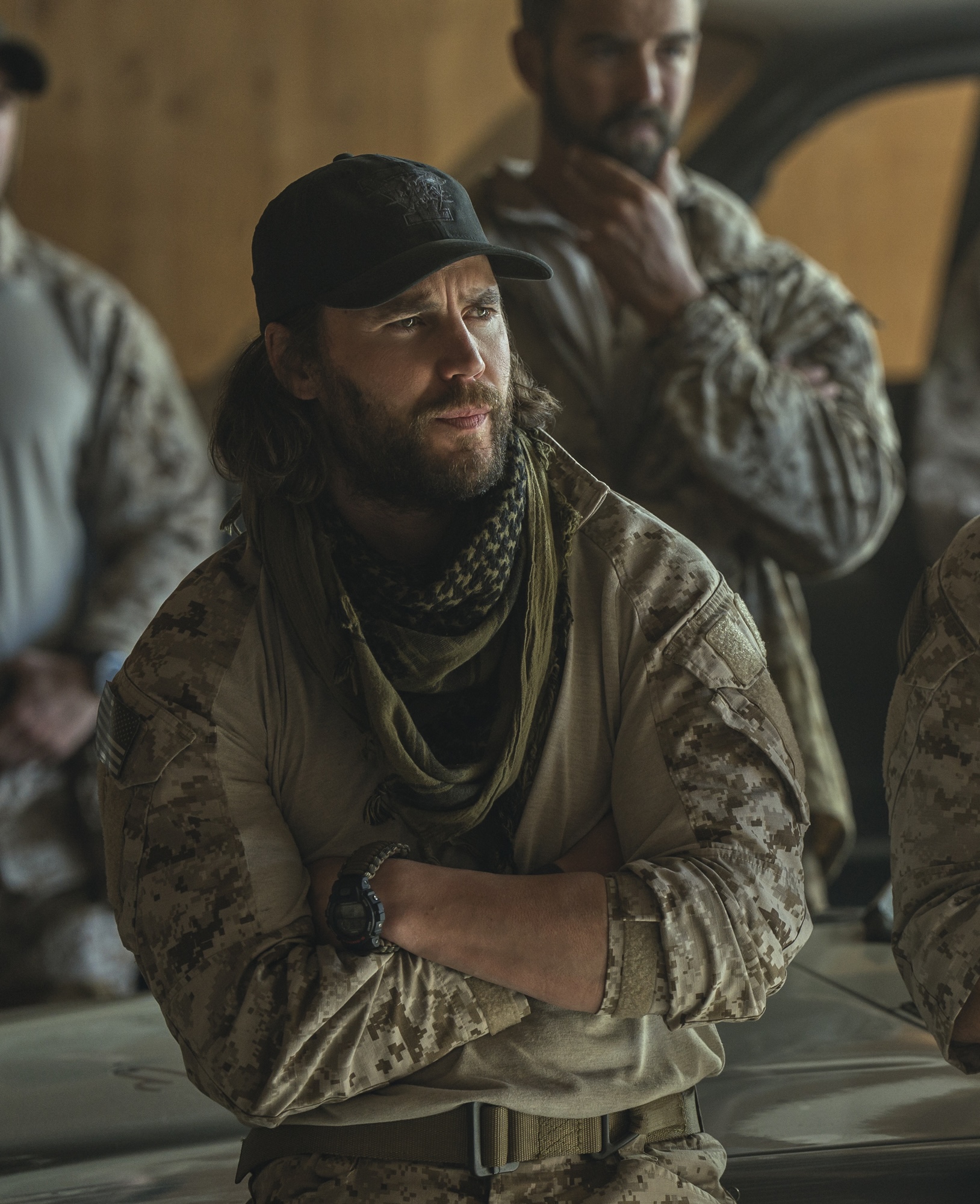
Reacher and The Terminal List have also been released as binges.
Yet The Terminal List: Dark Wolf was made available to critics weekly, allowing me to review it one episode at a time. That experience reinforced everything I believe about episodic television.
It was fun to discuss motivations and character development as Dark Wolf contrasted Ben Edwards’ earlier life with the man viewers met on The Terminal List. Each episode had room to breathe.
Readers could respond without worrying that someone else had already watched six hours ahead and turned every discussion into a minefield.
Dark Wolf may never return, but I remain grateful that I had the opportunity to dig into it with readers rather than racing to produce one enormous piece before the audience had already moved on.


Then there was Scarpetta.
Patricia Cornwell introduced Kay Scarpetta in 1990. Across 29 novels, readers have imagined the character, debated her choices, watched her relationships evolve, and waited decades to see her reach the screen.
Prime Video released the entire season at once.
It was consumed in less than one weekend. One weekend!
Those of us who had been waiting watched immediately.


We read coverage, considered the casting, compared the young Kay with the successful woman she became, and argued over what the adaptation changed. Then, within days, almost everything dried up.
I did not even enjoy Scarpetta, but a disappointing show can still generate valuable conversation. Sometimes it generates more.
There was plenty to debate, from the actors chosen for familiar roles to the decision to divide the story between different periods of Kay’s life.
After more than 35 years of anticipation, the television adaptation came and went in the time it takes some people to finish their laundry.
And now Prime Video is doing the same thing with Carrie.


Mike Flanagan’s eight-episode adaptation promises to expand Stephen King’s novel, deepen its characters and tensions, and explore the small, everyday choices that build toward one catastrophic night.
It also brings Carrie White into the social-media age, where humiliation does not end when the school bell rings, and cruelty can spread far beyond the people standing in the room.
That sounds like a series begging to be discussed weekly.
Carrie has endured for more than 50 years because it is about far more than telekinesis and pig’s blood. The story invites conversations about bullying, abuse, religious extremism, social isolation, collective cruelty, and the terrifying distance between victimhood and vengeance.
An eight-episode series has room to revisit those ideas, complicate them, and explore how they resonate now.
So naturally, Prime Video is releasing the whole thing at once.


It is already something of a head-scratcher that Carrie needed another adaptation. Stephen King’s novel has been filmed repeatedly, and Brian De Palma’s 1976 movie remains culturally significant half a century later.
Nobody was exactly pounding on Prime Video’s doors demanding eight more hours with Carrie White.
But if the streamer believes this version has enough to say to justify its existence, why release it in the format least likely to let anyone discuss what it says?
Viewers will tear through the season, compare it with the book and previous adaptations, argue briefly over the changes, and then be nudged toward the next title before the blood has dried on the gymnasium floor.
Carrie also makes me wonder why so much binge programming seems to be genre programming.

The Copenhagen Test, Crystal Lake, Scarpetta, Carrie, Reacher, and The Terminal List all come with mysteries, mythology, moral questions, established fan bases, or characters whose choices invite debate.
Horror, science fiction, thrillers, mysteries, and fantasy are exactly the kinds of television viewers enjoy pulling apart between episodes.
Do streamers distrust genre programming’s ability to sustain weekly interest? Or do they simply assume genre audiences will show up immediately, binge everything, and require no further effort?
Either way, it feels backward. These are not shows suffering from too little to discuss.
They are being denied the time in which to discuss it.
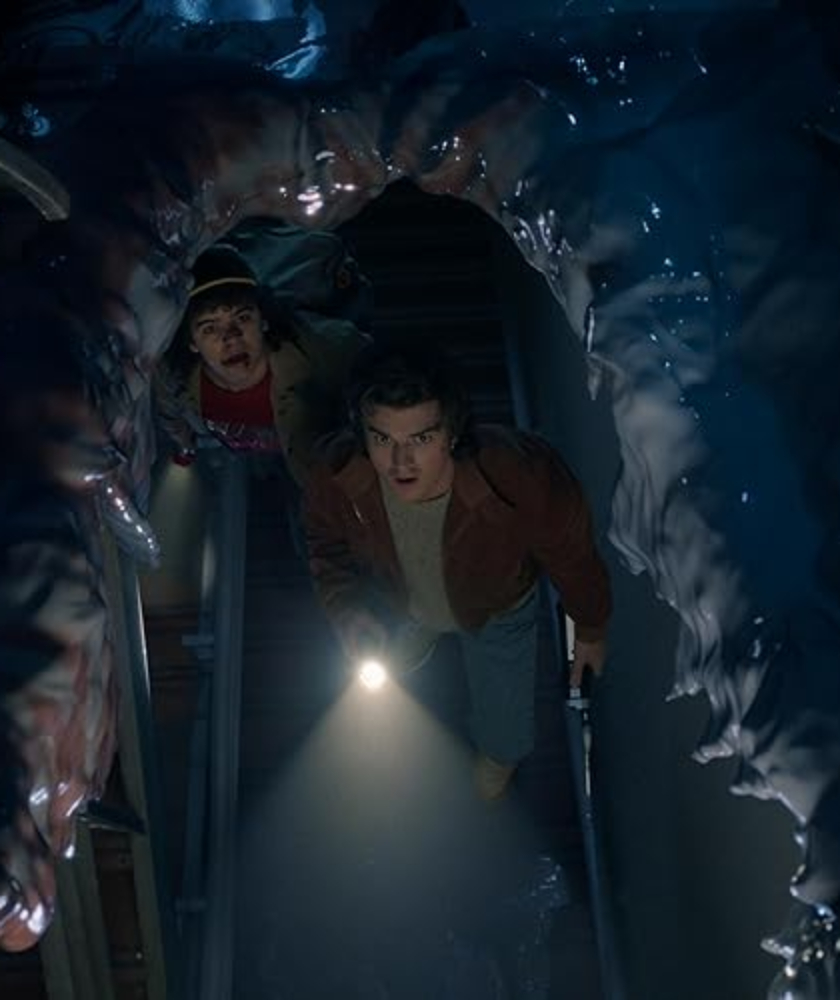
Discussing Netflix almost feels moot. Its shows often disappear from public view so quickly that the platform begins recommending your next obsession before you have finished processing the current one.
Who has time to savor what they are eating when the spoon never leaves their mouth? Eventually, all the flavors blend together.
Even Netflix appears to understand that full-season drops do not always produce retention or sustained conversation. Its largest shows, including Stranger Things and Bridgerton, have shifted toward divided releases.
But releasing three or four episodes at a time does not solve the larger problem. It merely creates smaller binges.
For viewers, each batch still contains too much material to discuss collectively without spoilers. For entertainment sites, covering several episodes at once makes meaningful analysis more difficult.


The sheer amount of story competing for immediate attention encourages summary rather than reflection.
There is a reason television shows are episodic.
Despite what some producers like to claim, most television seasons are not simply eight- or ten-hour movies.
Episodes have individual structures. They introduce ideas, establish themes, create turning points, and leave audiences with questions. The space between them is not empty. It is where viewers think.
Weekly television gives people time to examine what they watched before another hour arrives to overwrite it.
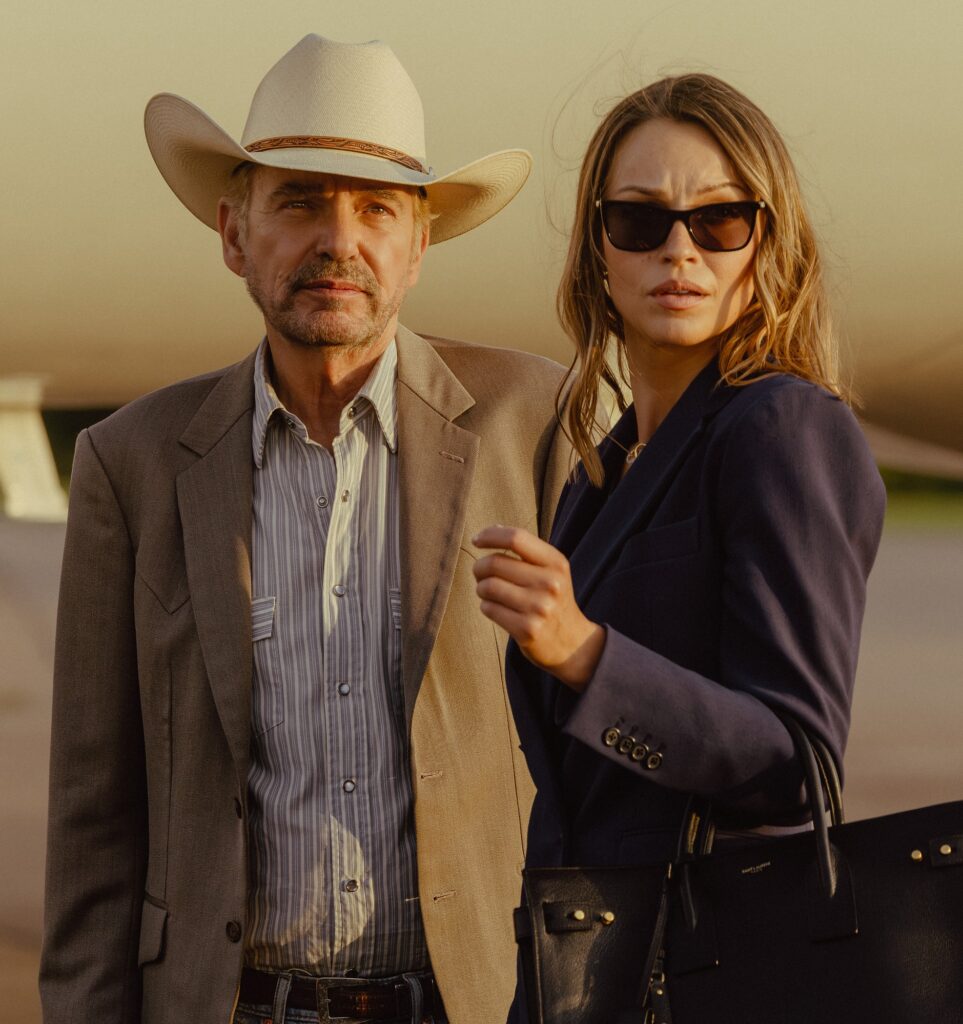
That is why Paramount+ and Apple TV remain among the streamers I trust most with scripted programming. They still understand appointment television. They allow shows to occupy the entertainment landscape for weeks rather than hours.
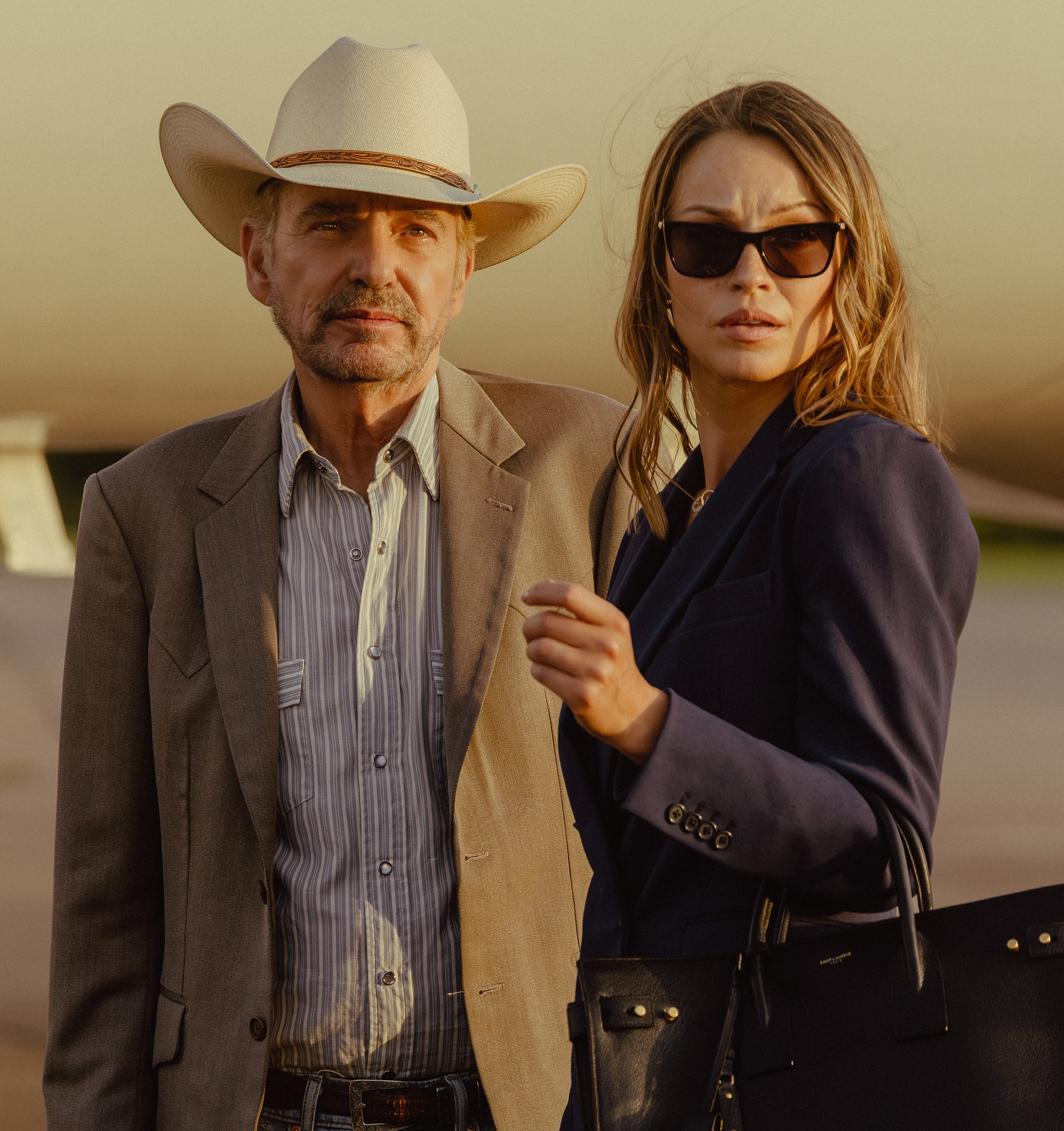
Landman and Tulsa King became hits on Paramount+ in part because people had time to hear about them and join the audience.
Taylor Sheridan‘s shows benefit from being absorbed slowly. His characters make choices worth arguing about, and viewers need a week to determine exactly how furious they are.
And he’s a genre in himself, proving that Peacock and Prime Video have it wrong.
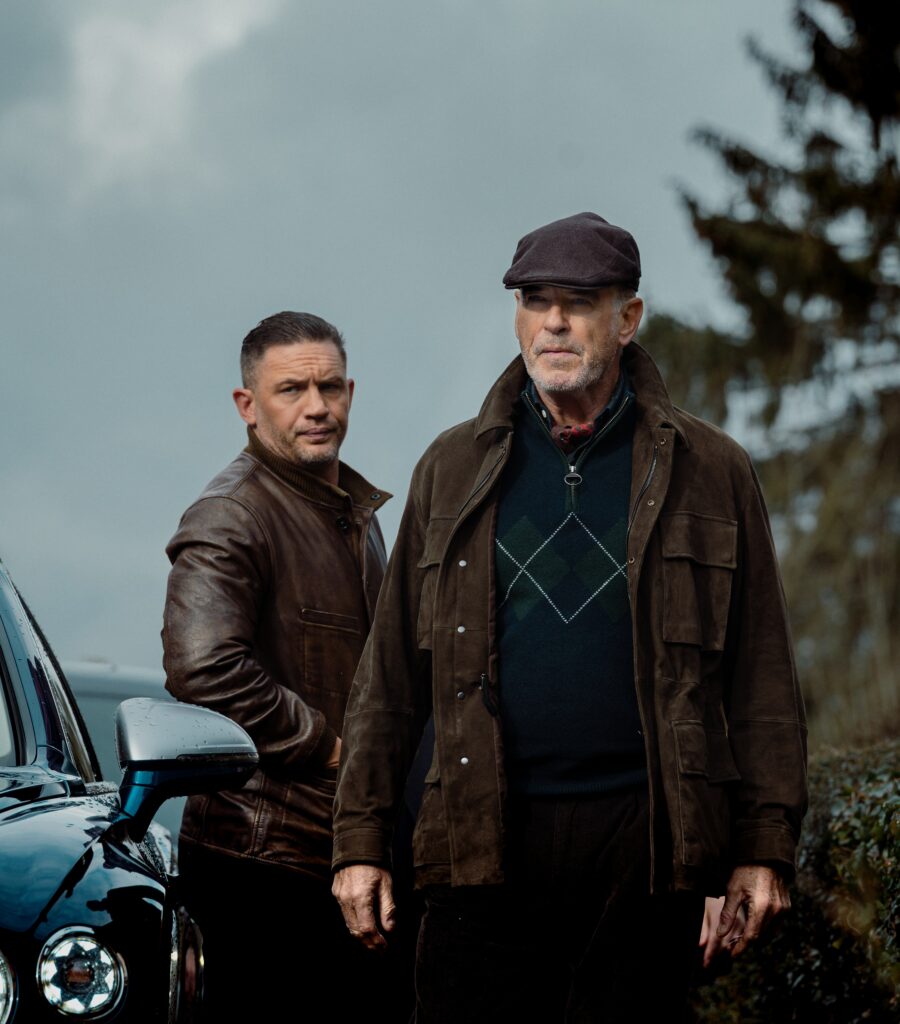
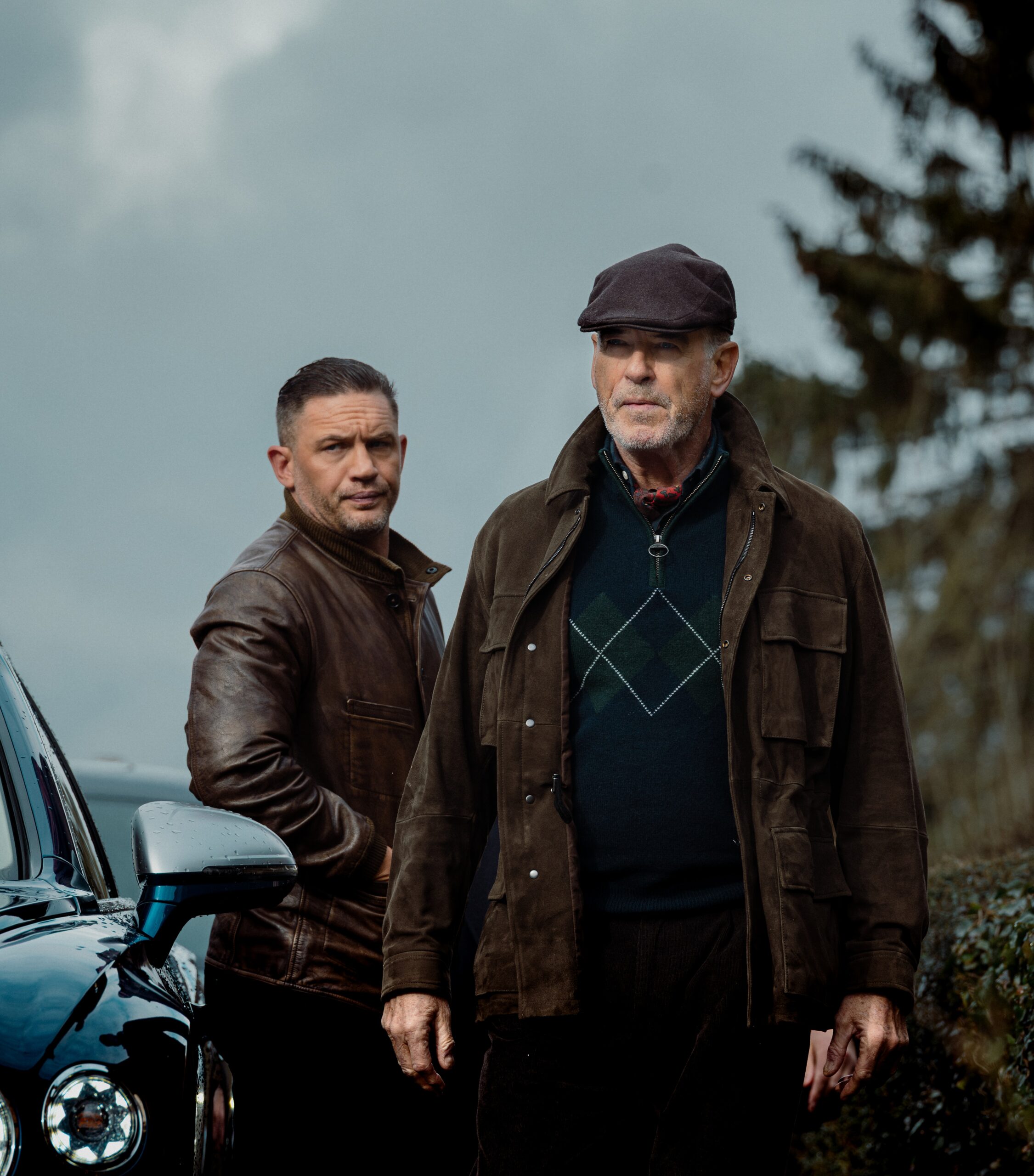
MobLand also worked beautifully as a weekly release. Every betrayal, shifting alliance, and questionable family decision had room to generate discussion before the next disaster arrived.
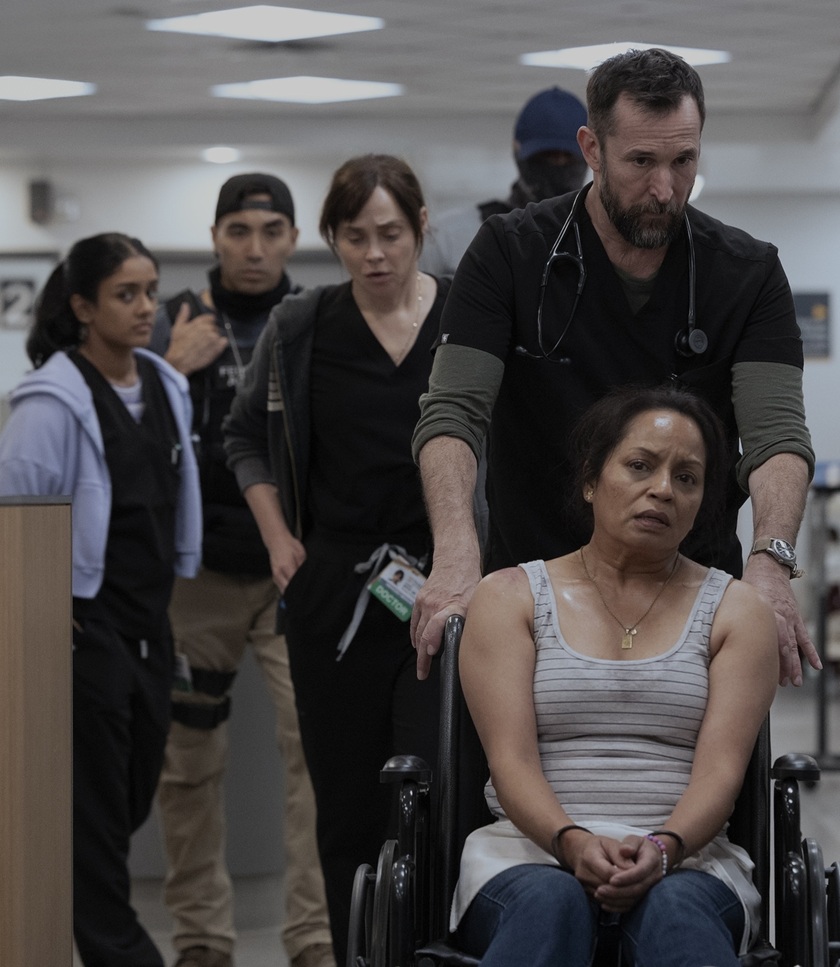
On HBO Max, The Pitt proved that a procedural-style streaming drama could become an event through weekly scheduling. Viewers had time to invest in the characters, recommend the series, and feel that they were participating in something as it happened.
That collective experience matters. Think about that sentence for a minute. It’s one that filmmakers tout continuously as they hope for theatrical releases to remain the norm. Yet TV in general gets the short shrift.
Much has been said about what a potential Paramount-Warner Bros. merger could mean for film, and none of those concerns should be dismissed.
But when it comes specifically to television scheduling, I would be relieved to see HBO and HBO Max programming controlled by a company that still believes scripted shows deserve weekly attention.
Through Paramount+, CBS, and Paramount Network, the company has repeatedly demonstrated that it values ongoing television conversation. It gives shows time to find viewers, and those viewers bring others with them.
Weekly releases do not guarantee success. Bad promotion can still bury a series. Weak storytelling can still drive audiences away. Some shows will fail regardless of how they are scheduled.
But weekly releases give television a chance.
They allow curiosity to grow. They let word of mouth spread. They create room for interviews, reviews, theories, debates, and recommendations. They make viewers feel as though they are watching with other people rather than completing an assignment alone.
Binge releases do the opposite. They turn entire seasons into opening weekends and then treat the immediate drop in conversation as evidence that the audience was never interested.
All of that work, and two days later, the platform is already promoting something else.

Television deserves better than that. The people who make it deserve better. So do the viewers who still want to watch, wonder, argue, reconsider, and return the following week.
It just hurts, and I had to tell someone.
You were it.
Have any feelings on the subject? Share them with me in the comments below.
Maybe, if we talk about conversation and how much we miss it often enough and loud enough, someone else will listen.
-

Filmmaker Nicholas Meyer reflects on Time After Time, The Day After, and the 1983 television event that changed how America thought about nuclear war.
-

Relive the best music moments of The Vampire Diaries – from Ed Sheeran’s Season 3 ball scene to Damon and Elena’s iconic motel kiss.
-

A failed pilot spells an opportunity for the franchise’s future. We look at some ideas to keep Buffy the Vampire Slayer alive post-pilot.